Home / Projects / Failed floor replacement, NW salsa facility
Food processing · Seattle, WA
Failed floor replacement, NW salsa facility
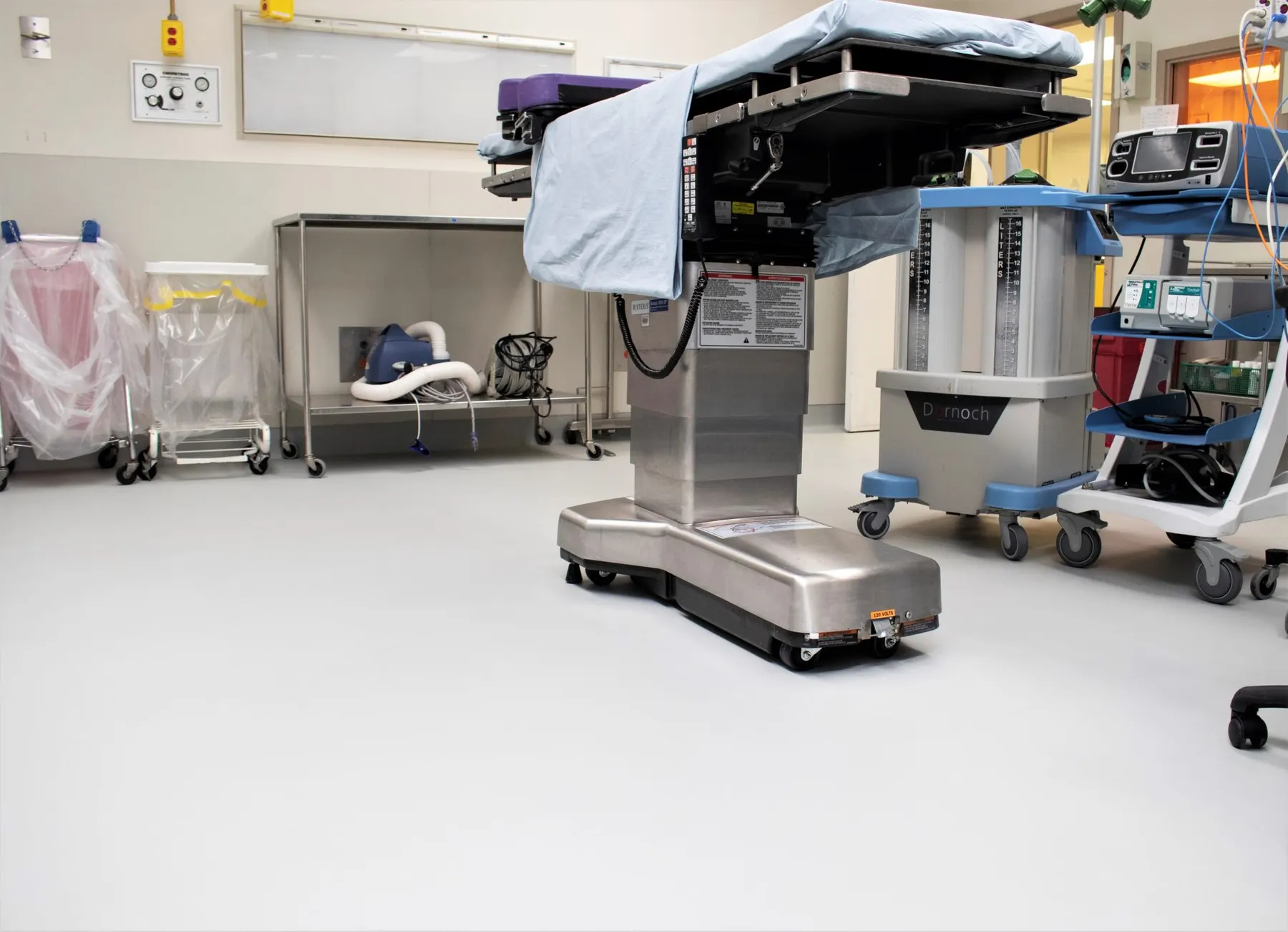
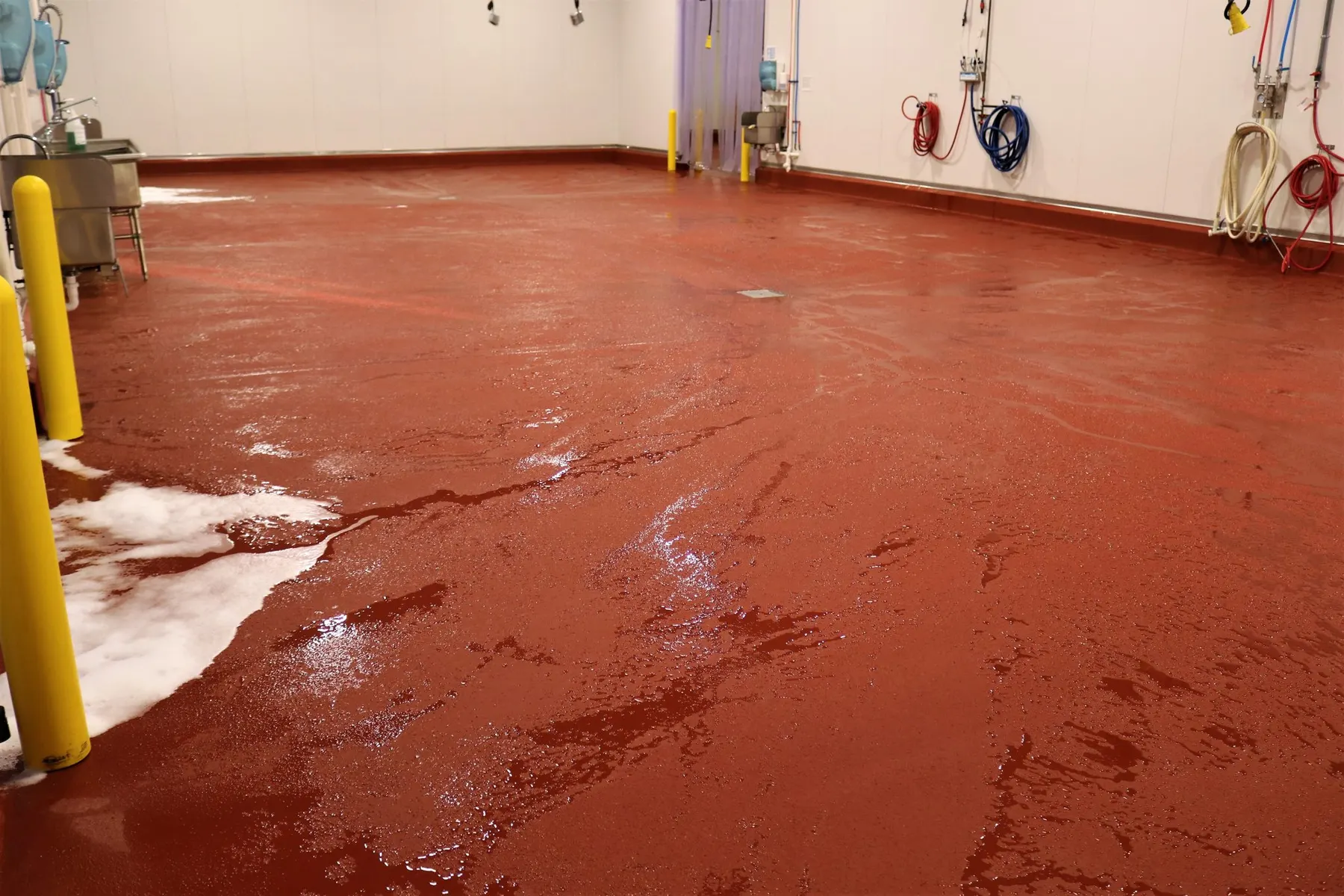
An epoxy floor installed by another contractor delaminated almost immediately. CRI removed it and installed BASF Ucrete BC6 in three phases while the plant kept producing.
The problem
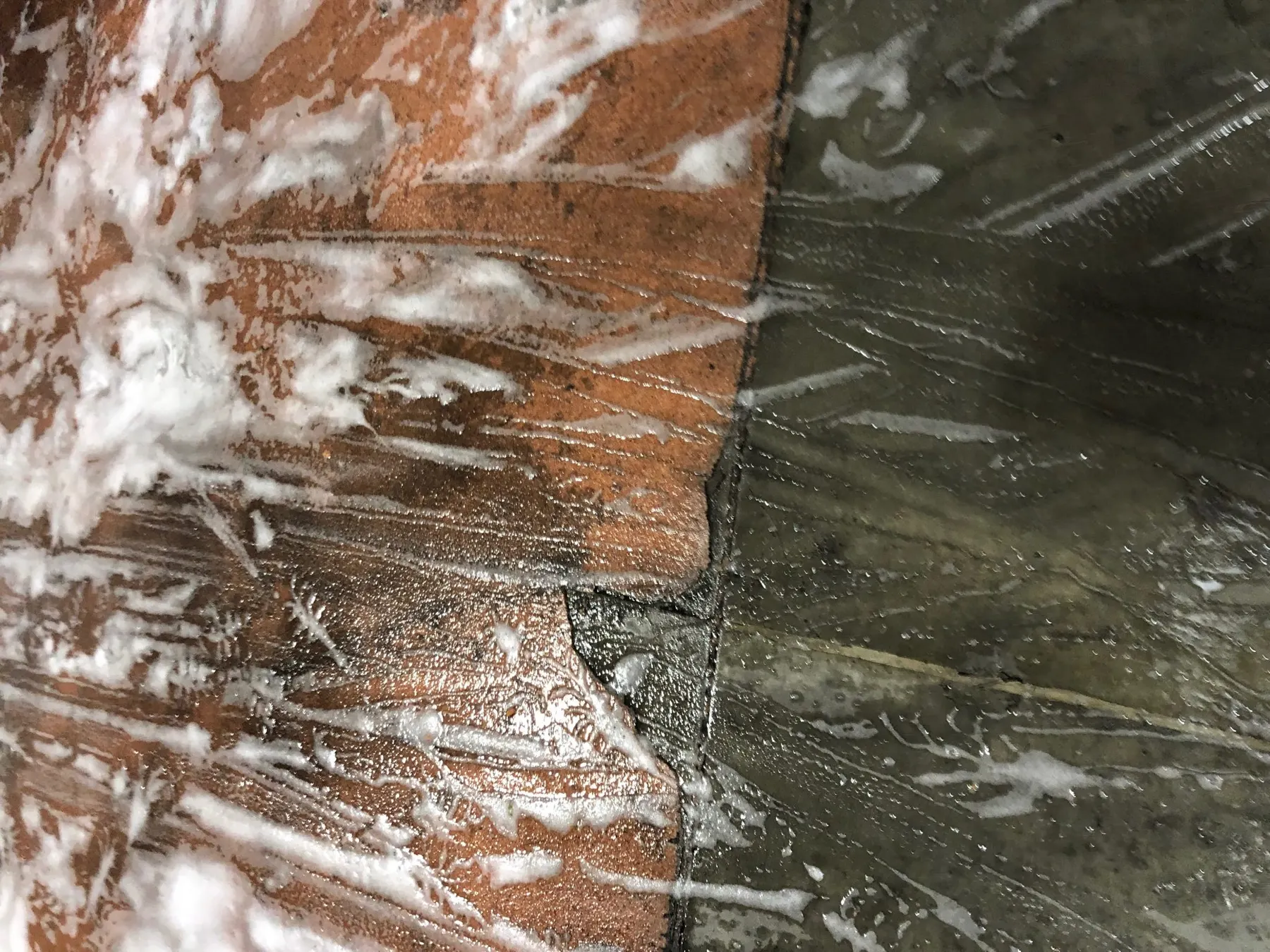
Our client, a Northwest area food processor, found themselves facing costly repairs when an inexperienced contractor installed an epoxy flooring system in their new production facility. Almost immediately delamination appeared as layers of the coating unbonded from the substrate, and cracks in the brittle coating appeared in high traffic areas, creating an unsafe environment for food production.
Upon inspection it was clear that the floor had failed primarily due to product selection and inexperience: an epoxy system unfit for the extreme environment, and insufficient surface preparation. Food plants wash down with extremely hot water. Above about 140–160°F epoxies become pliable and expand, then contract and turn brittle as they cool. That thermal cycling weakens the bond until the coating buckles and delaminates.
Our process
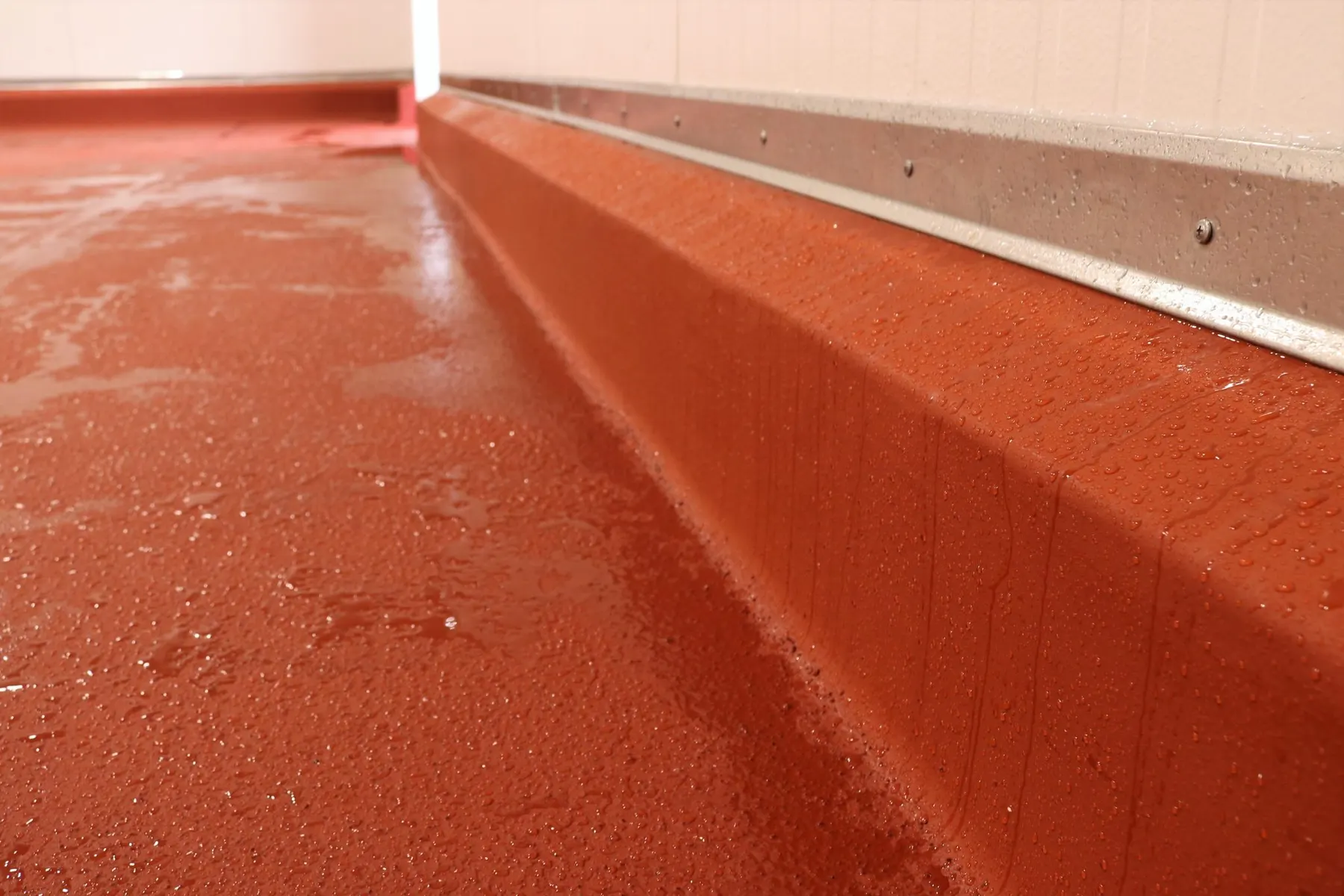
We chose BASF’s Ucrete BC6 seamless flooring system. We recommend Ucrete and similar urethane mortar systems for food production because they are USDA compliant, long-lasting, extremely durable, and resistant to abrasions and chemicals. Unlike epoxy, urethane concrete is a cementitious formula designed to withstand thermal cycling.
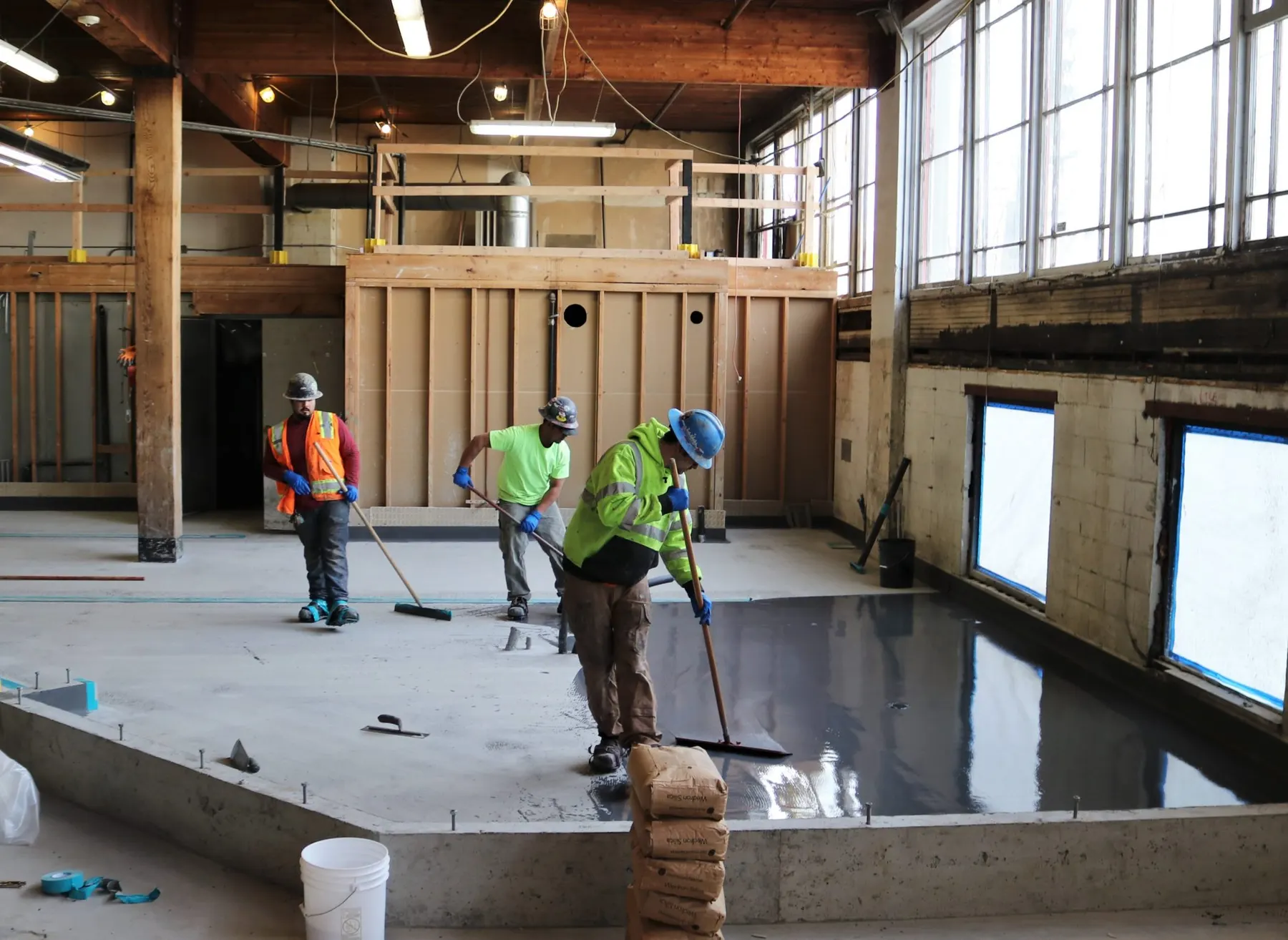
Because food production is a 24-hour business, we worked with Poe Construction and the client on a three-phase schedule. Poe installed full-height barriers to separate the working facility from construction, and we used low-VOC products and air handling equipment to minimize airborne contaminants.
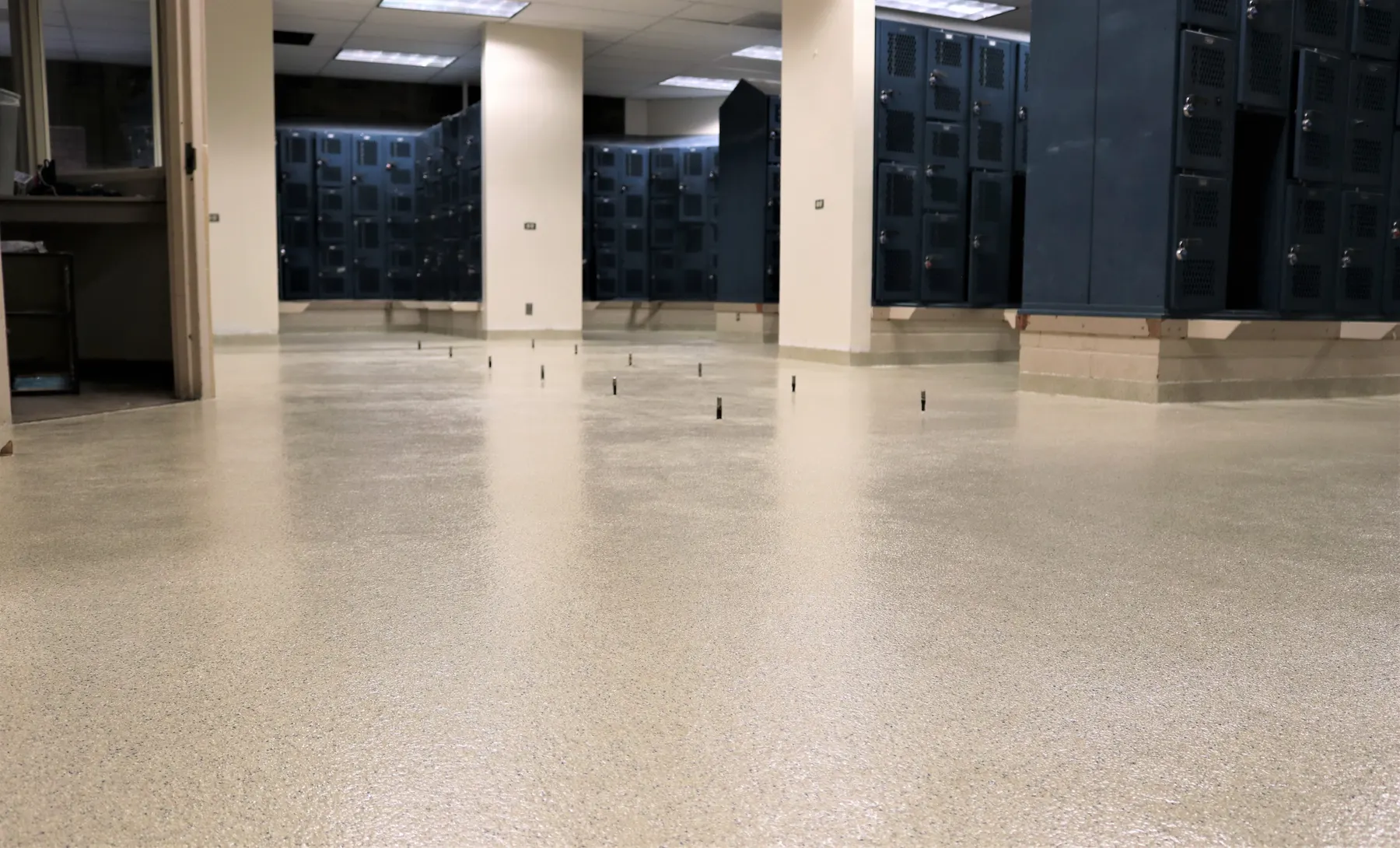
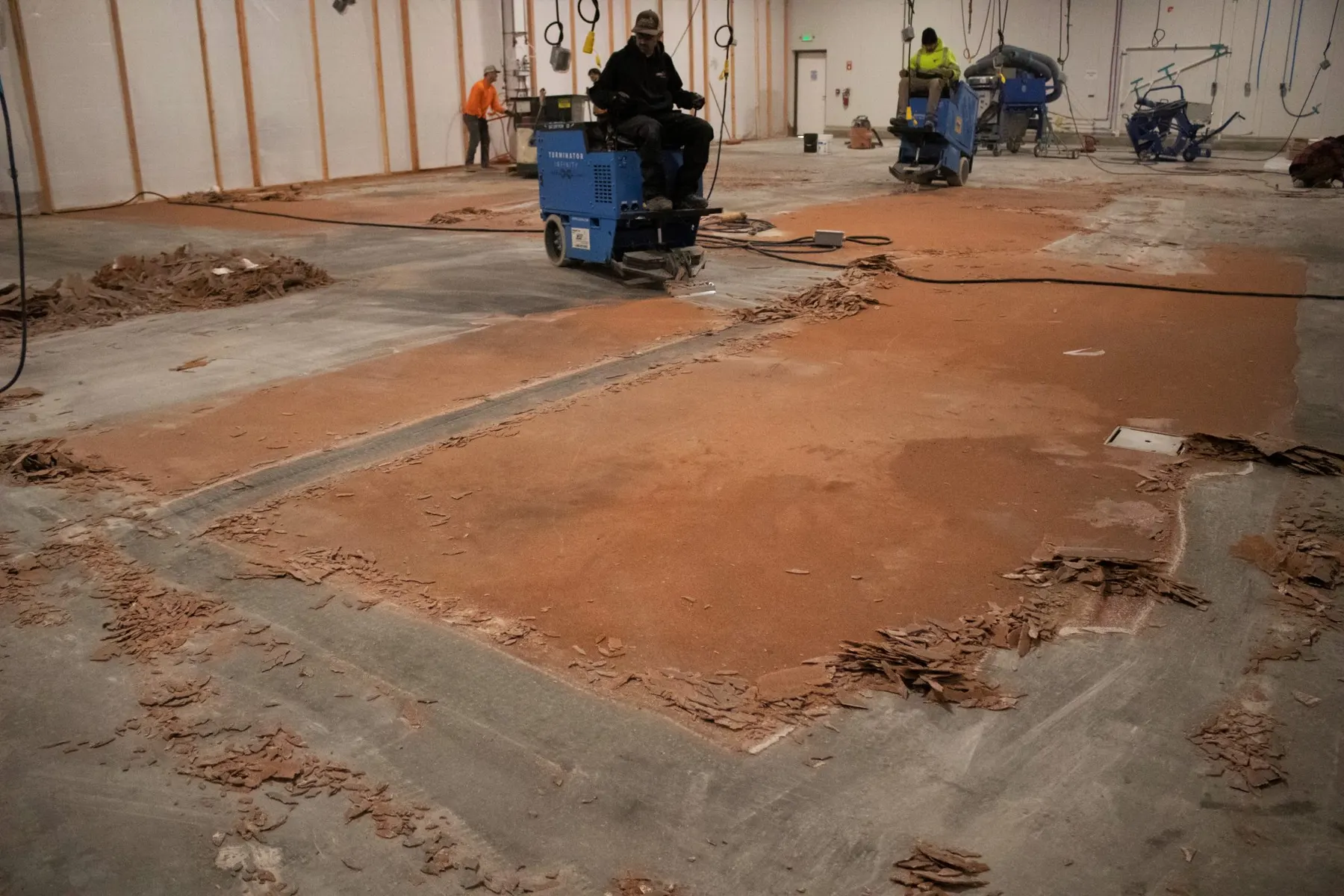
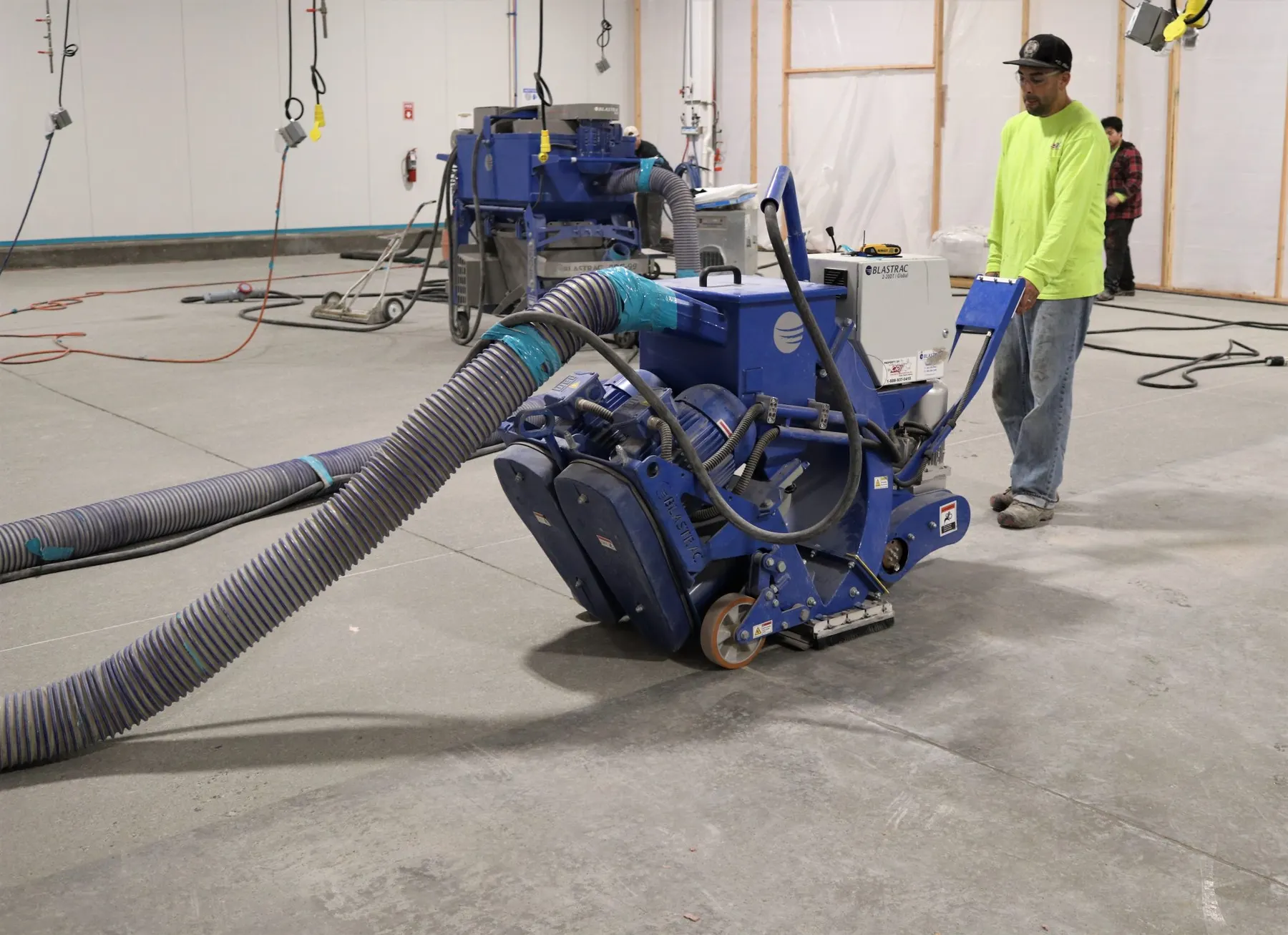
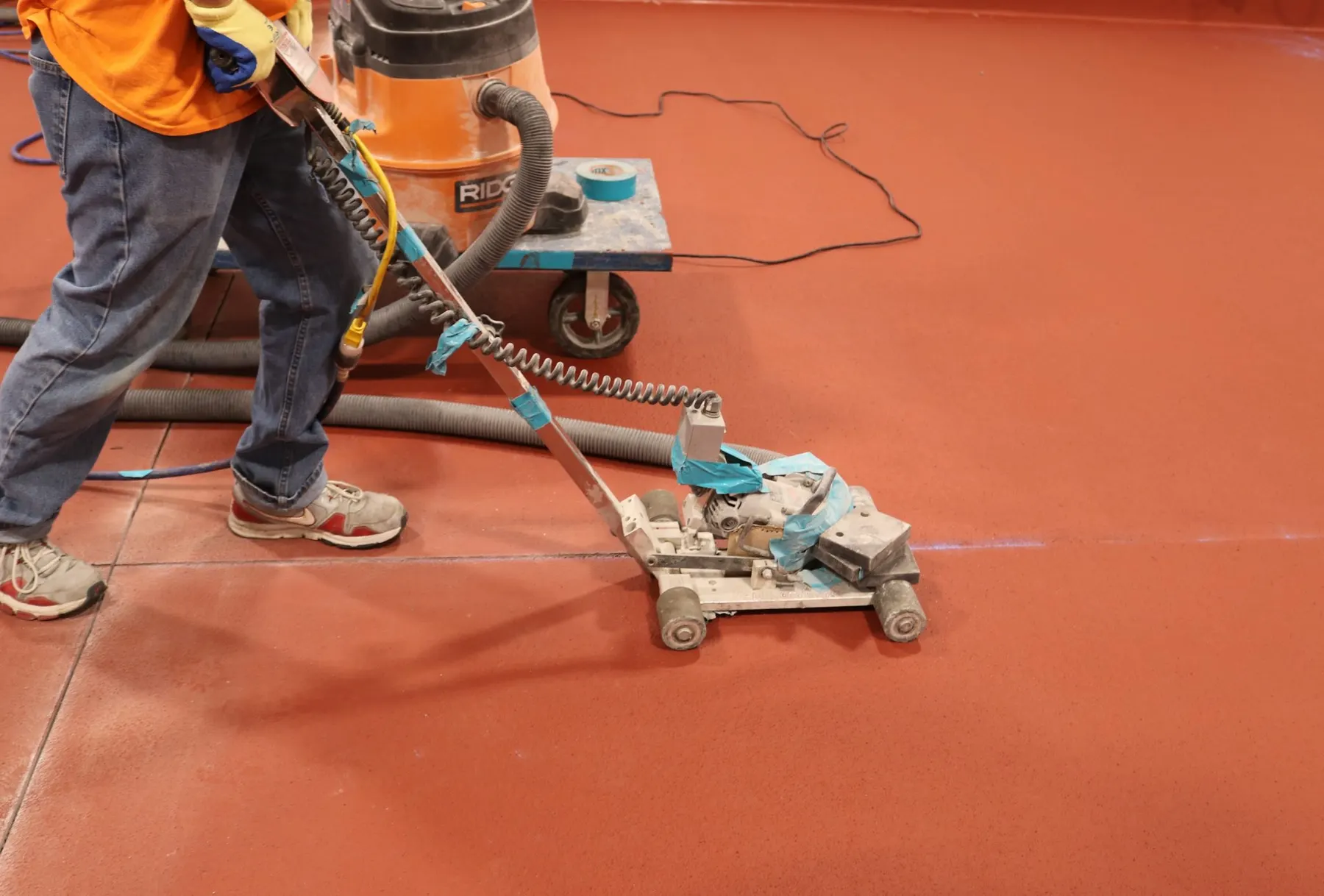
We removed the existing flooring with a Terminator T 2000 floor scraper and used a Blastrac BMP 4000 and a 20" shot blaster to reach a Concrete Surface Profile of 4. BC6 went down at 1/4 to 3/8 inch and was troweled onto the edges, with Ucrete WR RG cove base 18" up the walls, then a DP topcoat the next morning. Joints were cut to match the slab’s control joints and filled with Metzger McGuire RS88 semi-rigid polyurea.
Result
Outdoor temperatures meant heating the workspace, and the client’s operations meant a strict three-phase timeline. Through careful planning we delivered each phase back to the client ahead of schedule.
“I will use Concrete Restoration, Inc. for all my future coatings projects. I know they are a “One and done.” This is a cost savings for the general contractor, property manager, and owner.”
Photos
On the job
More projects